
Equipment Life Extension
Structured refurbishment programmes that restore ageing medical equipment to clinical specification at a fraction of replacement cost.

Replacing a linear accelerator costs USD 3–6 million. Refurbishing it to extend life by 7 years costs USD 200–400K. African health systems cannot afford to not extend equipment life.
Jos•Hansen's Equipment Life Extension programme provides systematic technical assessment and structured refurbishment for ageing radiotherapy systems, ICU equipment, laboratory analysers and theatre infrastructure — restoring equipment to clinical performance specification and extending operational life by 5–10 years at 20–40% of replacement cost. Applicable equipment categories include Accuray CyberKnife and Radixact radiotherapy systems, Siare Engineering SIARETRON ventilators, Mindray patient monitor platforms, HORIBA Medical haematology analysers, Leica Biosystems histology and cryostat equipment, GE Healthcare and Siemens Healthineers imaging systems, and major theatre infrastructure (sterilisation autoclaves, LED surgical lights, operating tables). The programme begins with a comprehensive technical and clinical condition audit — identifying which components have remaining service life, which require refurbishment and which require replacement — followed by a costed refurbishment plan and, on approval, execution by manufacturer-certified Jos•Hansen engineers.
Full technical and clinical condition audit
Before any refurbishment decision is made, Jos•Hansen engineers perform a comprehensive equipment condition assessment: safety system testing, mechanical inspection, electrical performance measurement, software version review, calibration status, component fatigue analysis and clinical performance benchmarking. The audit produces a condition report with a traffic-light status for every major subsystem — green (serviceable), amber (scheduled for replacement in next cycle), red (requires immediate attention) — and a costed refurbishment plan with estimated post-refurbishment operational life.
20–40% of replacement cost for 5–10 years of additional operational life
A new Accuray Radixact radiotherapy system costs USD 3.5–5.5 million. A life extension refurbishment for a 10-year-old Radixact — including beam delivery component replacement, couch mechanism overhaul, software upgrade and dosimetric recalibration — costs USD 300–600K and extends operational life by 6–8 years. The capital deferral value is USD 3+ million for one machine. For an African health system funding multiple capital equipment replacement cycles simultaneously, life extension is not a compromise — it is the rational financial decision. The clinical performance of a properly refurbished system is equivalent to a new system for all practical purposes.
Reduced waste and extended equipment utility in the African context
Medical equipment decommissioned in high-income countries after 10–12 years still has substantial remaining operational life if properly maintained. Equipment approaching end-of-life in a European hospital — where replacement cycles are accelerated by procurement rules — is often in better condition than a 5-year-old unit in an African hospital that has never had preventive maintenance. Life extension as a deliberate strategy reduces the pressure on African health systems to fund replacement-level capital expenditure and reduces the environmental footprint of medical equipment waste — a growing concern as Africa's medical equipment base grows.
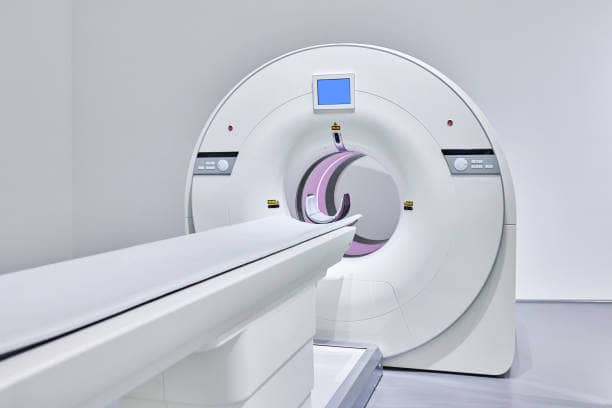
Radiotherapy system life extension — the highest-value application.
Radiotherapy linear accelerators represent the highest capital cost in clinical medicine — USD 1.5–6 million per unit — and have the longest replacement planning cycles of any medical equipment category. A Varian Trilogy linac installed in 2009 may still be treating patients in 2025 because no replacement budget was approved. Jos•Hansen's radiotherapy life extension programme specifically addresses this situation: comprehensive mechanical refurbishment of gantry, couch and collimator systems; replacement of high-wear dosimetric components (ion chambers, MLCs where applicable); software upgrade to the latest supported version; full dosimetric recommissioning by a qualified medical physicist; and ongoing PPM under a new long-term service contract. The output is a machine that passes all IEC 60601-2-1 performance tests, meets TG-142 quality assurance standards and is clinically indistinguishable from a recently commissioned system in terms of beam delivery accuracy.
Laboratory analyser refurbishment — restoring measurement accuracy.
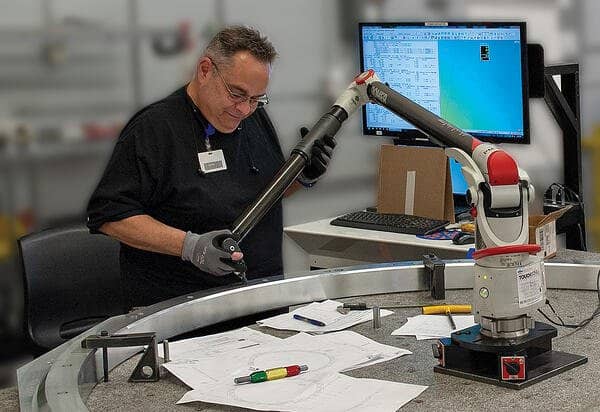
A HORIBA Medical haematology analyser that has processed 500,000 samples has worn optical components, degraded fluidic pathways, aged reagent valve seals and a calibration drift that has accumulated imperceptibly over years of use. It produces results — results that clinicians trust because the machine does not alarm — but those results may have a systematic bias in haemoglobin, WBC differential or platelet count that influences clinical decisions daily. Refurbishment addresses this: full optical cleaning and alignment, fluidic pathway replacement, valve seal replacement, reagent system recalibration against NIST-traceable reference materials, and performance verification against EQAS external quality assurance standards. A refurbished analyser performs equivalently to a new unit at a fraction of replacement cost.
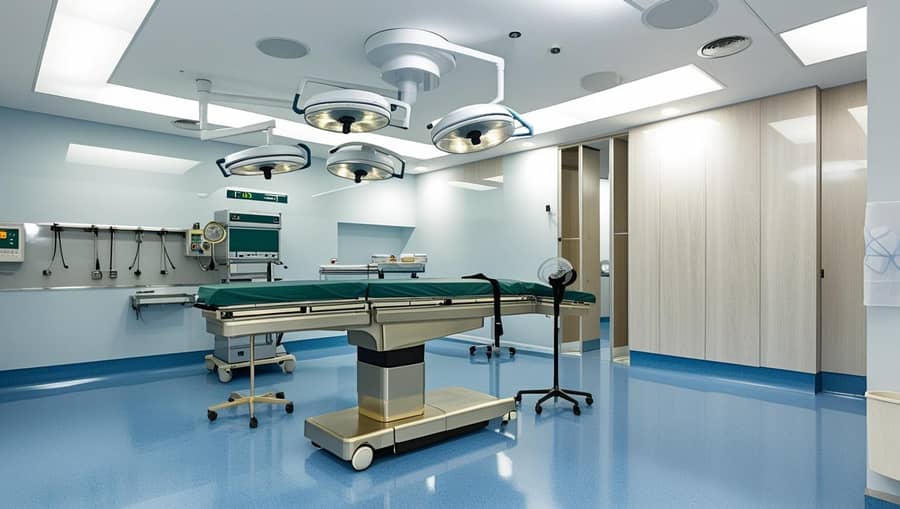
Theatre infrastructure life extension — CSSD autoclaves and surgical tables.
Hospital CSSD sterilisation autoclaves and operating tables are among the longest-lived pieces of medical infrastructure in any facility — 20–30 year operational lives are common in well-maintained units. The limiting factor is almost never structural failure — it is the failure of seals, heater elements, control boards and hydraulic systems that could each be replaced at low cost if identified proactively. Jos•Hansen performs BS EN 13060-compliant validation of CSSD autoclaves, identifying any deviation from the required sterilisation cycle parameters before it causes a sterility failure. For operating tables, hydraulic system inspection, column bearing replacement and attachment interface testing restore full positioning range and safe patient handling load ratings. These maintenance and refurbishment activities cost a fraction of autoclave or table replacement — and avoid the infection control and patient safety implications of autoclave failure or table malfunction in an active operating theatre.
Technical specifications.
Life extension achieved
Typically 5–10 additional years post-refurbishment
Cost vs. replacement
20–40% of new equipment cost — depending on category and scope
Equipment categories
Radiotherapy linacs · ICU ventilators · lab analysers · theatre infrastructure · imaging
Starting point
Full technical and clinical condition audit with costed refurbishment plan
Post-refurbishment standard
IEC 60601 performance verification · TG-142 for radiotherapy · BS EN 13060 for CSSD
Certification retained
Manufacturer-certified engineers throughout — warranty-preserving where applicable
Of replacement cost — typical life extension programme cost for radiotherapy, ICU and laboratory equipment versus purchasing equivalent new equipment
Additional operational life achieved through structured refurbishment — measured across Jos•Hansen's East Africa equipment portfolio
Capital deferral value per radiotherapy system life extension — the cost avoided by refurbishing versus replacing a linear accelerator
Why Equipment.
20–40% of replacement cost
Life extension programme delivers equivalent clinical performance at 20–40% of new equipment cost — freeing capital for other health system priorities.
5–10 additional years
Structured refurbishment extends operational life by 5–10 years — measured and verified through post-refurbishment performance testing to international standards.
Sustainable healthcare
Extending equipment life reduces medical equipment waste, the environmental footprint of African health systems and the demand for replacement-cycle capital procurement.
IEC / TG-142 / BS EN verified
Post-refurbishment performance verified against IEC 60601, TG-142 (radiotherapy) or BS EN 13060 (CSSD) — clinical equivalence to new equipment is confirmed, not assumed.
Related products.


Partner with Jos Hansen
Talk to our procurement and operations teams about your next infrastructure, healthcare or scientific deployment.