
Crop Insecticide Solutions
Selective and broad-spectrum insecticides for field and storage pest management.
Fall armyworm alone costs East African farmers over USD 3 billion every season.
Fall armyworm, aphids, stem borers, thrips and whitefly are the primary insect threats to commercial and smallholder crop production across East Africa, collectively causing yield losses of 20-40% in unprotected maize, vegetable and legume systems. Jos•Hansen supplies insecticide programmes spanning diamide, pyrethroid, organophosphate and neonicotinoid chemistry classes, covering the full range of sucking and chewing pest species at field, establishment and storage stages. Every programme is designed around the specific pest complex, crop system and resistance history of the target growing region, supported by Jos•Hansen agronomist advisory throughout the season.
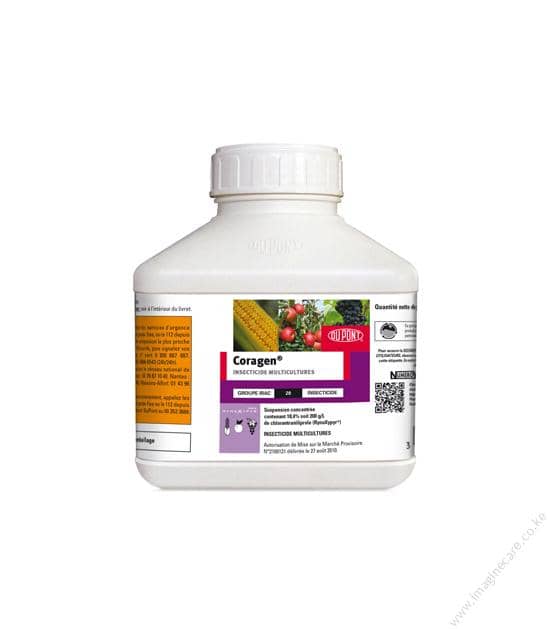
Fall armyworm control
Diamide insecticides including chlorantraniliprole deliver the longest residual control of fall armyworm larvae of any available chemistry class. Our FAW programmes combine contact knockdown with systemic residual protection across the full season in high-pressure environments.
Resistance managed
Rotating between IRAC resistance groups prevents the build-up that rendered pyrethroid actives ineffective for fall armyworm in East Africa within two years of the pest's arrival. Our programmes sequence at least three IRAC groups per season.
Storage protection
Post-harvest grain protection requires insecticides registered for storage use at rates compliant with food safety and export market standards. Our storage insecticide range covers maize weevil, grain borer and larger grain borer across bagged and silo storage systems.
Diamide chemistry delivers the most effective fall armyworm control.
Diamide insecticides including chlorantraniliprole (Coragen) and flubendiamide act on ryanodine receptors in muscle cells, causing irreversible muscle paralysis at larval contact. Fall armyworm larvae cease feeding within hours and die within 24-48 hours, preventing further crop damage even before mortality is complete. Diamides offer 10-14 day residual protection through rainfall events and provide ovicidal activity against newly deposited egg masses. Jos•Hansen programmes Coragen as the primary FAW control option across maize, tomato and bean systems, with season-long rotation against organophosphate and pyrethroid actives to manage resistance.
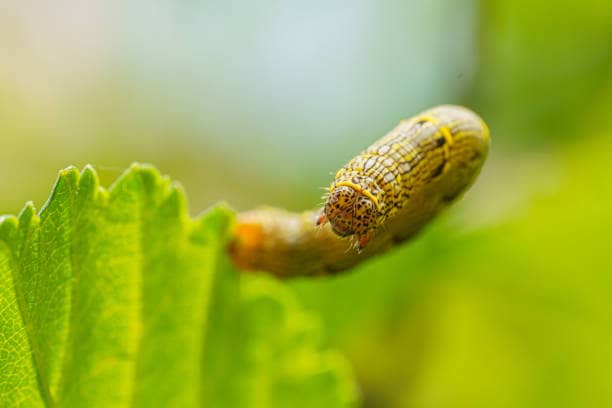
Neonicotinoid seed treatments control sucking pests at crop establishment.
Aphids, whitefly and thrips infesting young crops at establishment cause direct feeding damage and transmit persistent viruses including Bean Yellow Mosaic Virus and Tomato Yellow Leaf Curl Virus. Neonicotinoid seed treatments and early-season foliar applications prevent sucking pest populations from reaching the virus transmission threshold during the most vulnerable crop stage. Jos•Hansen programmes imidacloprid and thiamethoxam as establishment-stage treatments, transitioning to selective alternatives as the crop develops and beneficial insect populations need to be preserved for pollination and natural pest regulation.

IRAC rotation prevents resistance before it costs the season.
Pyrethroid resistance in fall armyworm was confirmed in East Africa by 2018, less than two years after the pest arrived on the continent. Resistance developed at that speed because the cheapest available chemistry was applied repeatedly without class rotation. Jos•Hansen insecticide rotation programmes sequence diamide actives with organophosphate and pyrethroid classes in an IRAC-recommended pattern, maintaining the efficacy of all chemistry classes across successive seasons. Resistance monitoring data from Kenya and Tanzania is reviewed seasonally and used to update programme recommendations before each planting window.
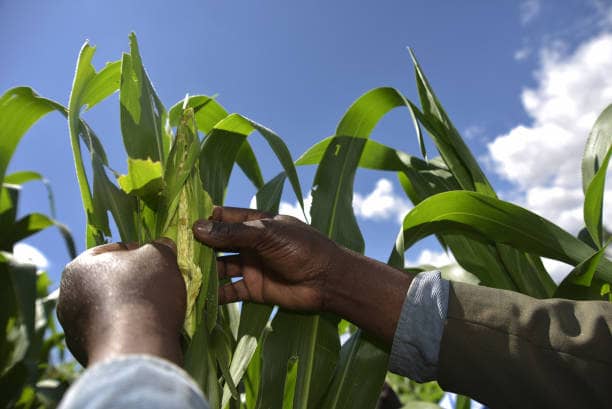
Technical specifications.
Chemistry classes
Diamide / pyrethroid / organophosphate / neonicotinoid / spinosyn
Key pest targets
Fall armyworm, stem borers, aphids, thrips, whitefly, grain borer, larger grain borer
Application method
Foliar spray, seed treatment, granule, post-harvest storage dust
Residual activity
Up to 14 days per application for diamide chemistry against FAW larvae
Registration
KEPHIS, TPRI and PCPB registered products for Kenya, Tanzania and Uganda
Programme support
IRAC rotation schedule and scouting threshold guide supplied with every programme
Estimated annual cost of fall armyworm damage across East African maize-producing countries. The largest single addressable insect pest loss on the continent
Residual protection window per application delivered by diamide insecticides against fall armyworm larvae. Longer than any other available chemistry class in-market
Distinct IRAC resistance groups sequenced per season in a Jos•Hansen programme, the minimum required to delay resistance build-up in FAW populations
Why Crop.
FAW diamide chemistry
Diamides are the only chemistry class confirmed to maintain full efficacy against pyrethroid-resistant fall armyworm populations currently established in East Africa.
IRAC rotation built in
Jos•Hansen programmes sequence 3+ IRAC groups per season, preventing the single-class overuse that created East Africa's current pyrethroid resistance problem.
Selective options available
Programme chemistry is matched to crop stage and pest complex, preserving beneficial insect populations during pollination windows.
Registered in-country
All programme actives are registered with KEPHIS, TPRI or PCPB, ensuring legal compliance and correct label use in all supply territories.
Partner with Jos Hansen
Talk to our procurement and operations teams about your next infrastructure, healthcare or scientific deployment.