
Pheromone Trap Systems
Mass-trapping and population monitoring for key African crop pest species.
Pheromone trap counts tell you when to spray before damage reaches economic threshold.
Pheromone trap systems use synthetic sex pheromones to attract adult pest insects into traps, disrupting mating cycles and providing early-warning population counts before economic thresholds are reached. Jos•Hansen supplies lure-and-kill and monitoring trap systems for fall armyworm, tomato leafminer (Tuta absoluta), diamondback moth and mango fruit fly, covering the highest-priority invasive pest species in East Africa. Population count data from trap networks allows farm managers to time insecticide interventions precisely at the economic threshold, replacing calendar-based spray schedules with evidence-based treatment decisions.
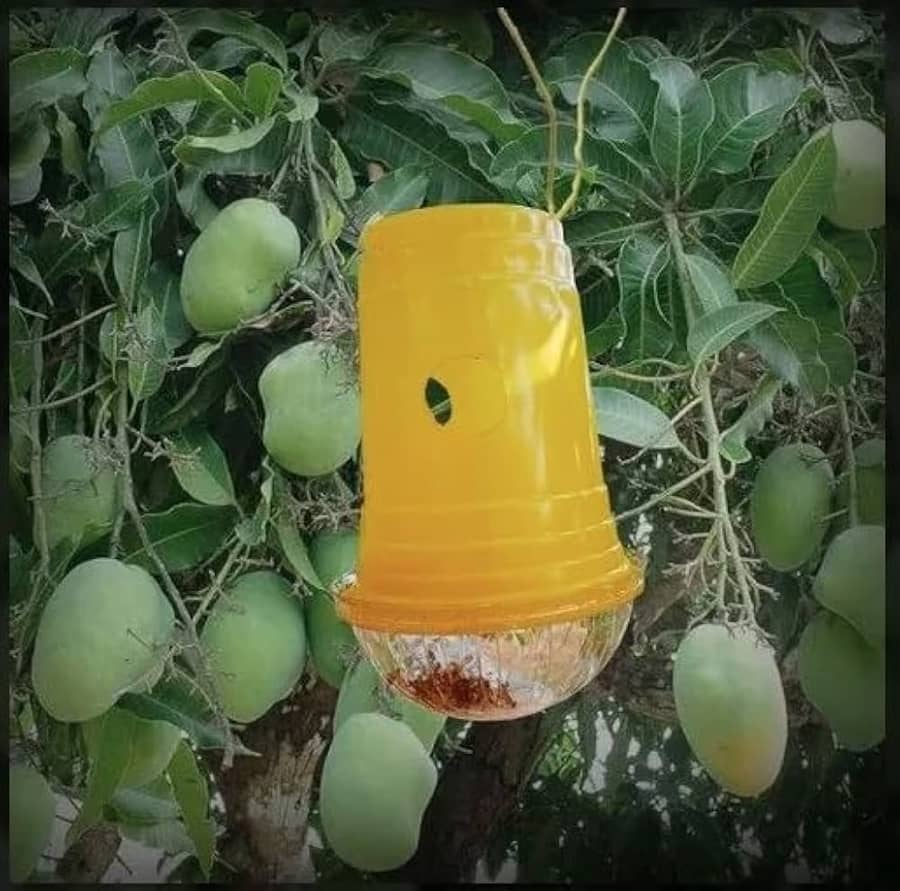
Mass trapping
Delta and funnel trap networks deployed at 4-8 traps per hectare intercept adult male fall armyworm, Tuta absoluta and diamondback moth before mating, directly reducing the next-generation egg-laying population. Mass trapping at this density reduces larval pressure by 40-60% in trials without any insecticide application.
Population monitoring
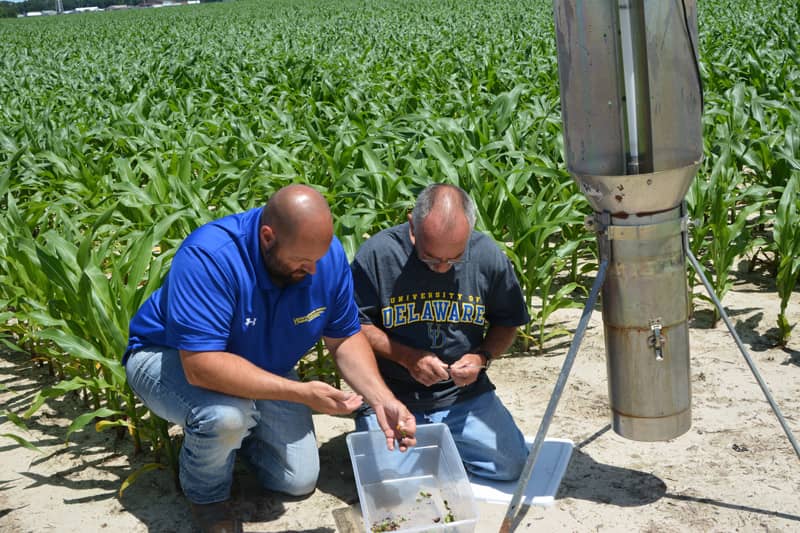
One monitoring trap per 1-2 hectares provides weekly population count data that triggers insecticide intervention precisely at the economic action threshold. Farms using pheromone-based thresholds reduce spray applications by 30-40% versus calendar schedules without increasing season-end pest damage.
Mating disruption
High-density pheromone dispenser deployment creates a saturated pheromone cloud that prevents male insects from locating females, collapsing mating success rates. Mating disruption is most effective in enclosed or semi-enclosed crop systems including tunnels, screenhouses and high-value smallholder plots.
Delta and funnel traps capture fall armyworm adults at scale.
Jos•Hansen fall armyworm pheromone trap kits include species-specific lure, delta or funnel trap body and deployment guide for field-scale monitoring and mass trapping programmes. The economic action threshold for FAW intervention is 5 or more moths per trap per night, a count that pheromone monitoring detects 7-14 days before leaf damage reaches the scouting detection threshold. Early detection at moth flight stage gives the crop protection team time to deploy the most cost-effective intervention, whether biocontrol, targeted insecticide or mating disruption, before feeding damage occurs. Jos•Hansen provides trap placement maps, count recording sheets and threshold decision guides with every FAW trap programme.
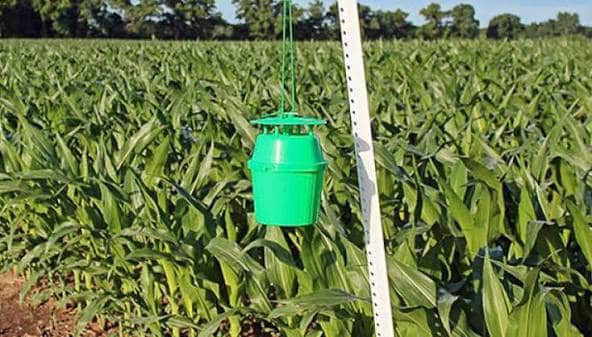
Tuta absoluta pheromone traps protect tomato crops from leafminer.
Tuta absoluta, the South American tomato leafminer, is now established across East Africa and causes up to 80-100% crop loss in unprotected tomato fields due to mining damage and secondary pathogen entry. Delta traps baited with Tuta absoluta sex pheromone lures capture adult males in the crop canopy and are deployed at 2-4 traps per hectare for monitoring and up to 8 traps per hectare for mass trapping in high-pressure fields. Count data from weekly trap inspections tracks the population build-up curve and triggers timely insecticide intervention before mining damage becomes uneconomical to control. Jos•Hansen programmes Tuta absoluta pheromone monitoring as the foundation of every tomato IPM programme in East Africa.
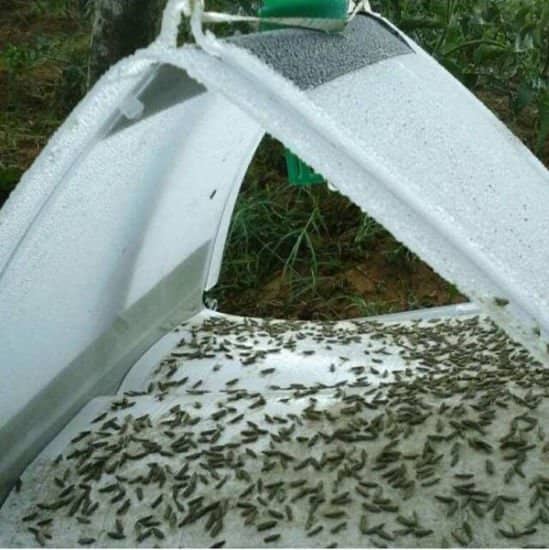
Trap count data replaces calendar spraying with evidence-based timing.
Calendar-based insecticide programmes apply chemistry on a fixed schedule regardless of actual pest pressure, resulting in unnecessary applications when pressure is low and delayed responses when pressure spikes between spray events. Jos•Hansen pheromone monitoring programmes replace the spray calendar with a threshold-triggered decision rule: spray when trap counts exceed the economic action threshold, do not spray when counts are below. In East African commercial farms trialling this approach, seasonal insecticide application frequency drops by 30-40% while end-of-season pest damage scores remain equivalent to calendar programmes. The input cost saving from reduced spray events typically recovers the pheromone trap investment within the first season.
Technical specifications.
Trap types
Delta, funnel, water pan, bucket trap depending on target pest
Key pest species
Fall armyworm, Tuta absoluta, diamondback moth, mango fruit fly, whitefly
Lure longevity
4-8 weeks per lure depending on species, temperature and humidity
Monitoring density
1 trap per 1-2 hectares for population monitoring programmes
Mass trapping density
4-8 traps per hectare for lure-and-kill mass trapping programmes
Action threshold
5+ FAW moths per trap per night triggers intervention under East African protocols
Reduction in larval pest pressure achievable with mass trapping at 4-8 traps per hectare for fall armyworm and Tuta absoluta without insecticide application
Reduction in seasonal insecticide spray applications on farms using pheromone threshold monitoring versus fixed calendar spray schedules
Early warning advantage of pheromone moth flight monitoring over visual leaf damage scouting for fall armyworm population build-up detection
Why Pheromone.
Evidence-based spray timing
Threshold-triggered intervention from trap counts reduces seasonal insecticide applications by 30-40% versus calendar schedules while maintaining equivalent pest control outcomes.
No crop residue
Pheromone lures contain no insecticide and leave no chemical residue on the crop, making them compatible with organic, GAP and export-market residue programmes.
7-14 day early warning
Moth flight monitoring detects population build-up 7-14 days before visual leaf damage is detectable by scouts, creating an intervention window before economic damage occurs.
Multi-species coverage
A single trap network covers fall armyworm, Tuta absoluta and diamondback moth simultaneously with species-specific lures in a shared monitoring programme.
Partner with Jos Hansen
Talk to our procurement and operations teams about your next infrastructure, healthcare or scientific deployment.