
Soil & Leaf Analysis Kits
In-field rapid test kits and laboratory-grade analysis for soil nutrient status and plant tissue diagnosis.
You cannot manage what you do not measure. Soil analysis is the first step in every productive farm programme.
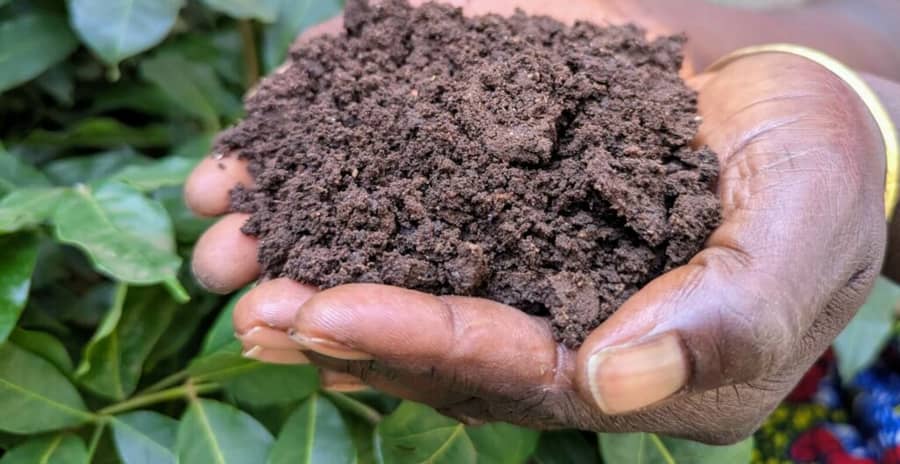
Soil and plant tissue analysis is the diagnostic foundation of every fertiliser, biostimulant and soil health programme. Jos•Hansen supplies in-field rapid soil test kits for instant pH, nitrogen, phosphorus and potassium measurement, alongside a full laboratory submission service covering 20-parameter soil chemistry panels and plant tissue nutrient analysis. Together these tools give farm managers and agronomists the data needed to design accurate input programmes, verify in-season nutrient uptake, and build a multi-year picture of soil fertility change that guides long-term regenerative investment.
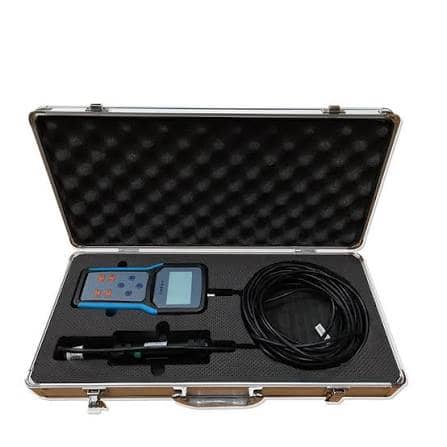
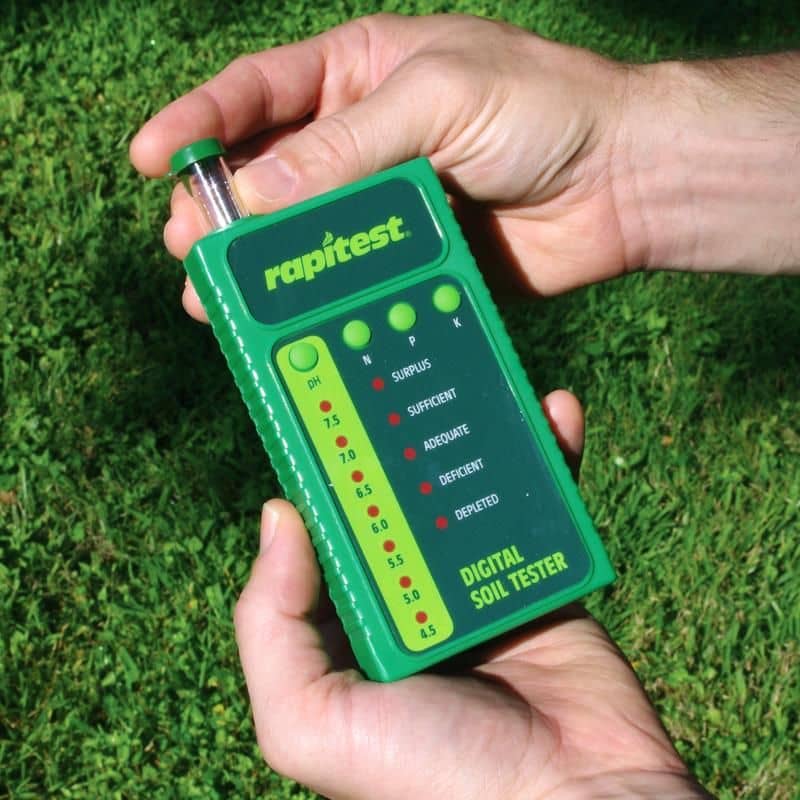
Field-rapid kits
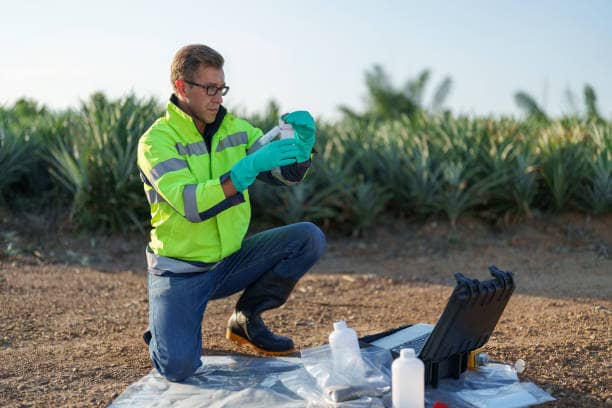
Rapid soil test kits deliver pH, available N, P and K readings within 10-15 minutes in the field without laboratory submission. Field teams use these kits for planting-day checks, mid-season problem diagnosis and post-harvest soil status confirmation before the next crop cycle.
Full lab panel
The 20-parameter laboratory soil analysis covers organic carbon, all major nutrients, full micronutrient panel and soil texture. Panel results are returned with a Jos•Hansen agronomist interpretation note and a nutrient management recommendation calibrated to the specific crop system and target yield.
Tissue diagnostics
Leaf tissue analysis at vegetative and flowering stages confirms whether soil-applied nutrients are being taken up by the crop. Tissue test results separate soil supply failures from crop uptake failures, directing corrective action to the actual limiting point rather than the assumed one.
Rapid field kits give real-time data before every application decision.
Jos•Hansen field rapid test kits use colorimetric reagent reactions to measure available soil nutrient concentrations without laboratory equipment. pH, nitrate-nitrogen, available phosphorus and available potassium can all be measured in under 15 minutes using a soil sample, reagent tablet or solution, and a colour comparison chart. Field teams carry these kits for planting-day soil checks, mid-season problem investigation when visual symptoms appear, and post-harvest soil verification before the next input programme is designed. Rapid kits cannot replace laboratory analysis for precision prescription work but provide the immediate decision-relevant data needed for real-time field management when laboratory turnaround is not practical.
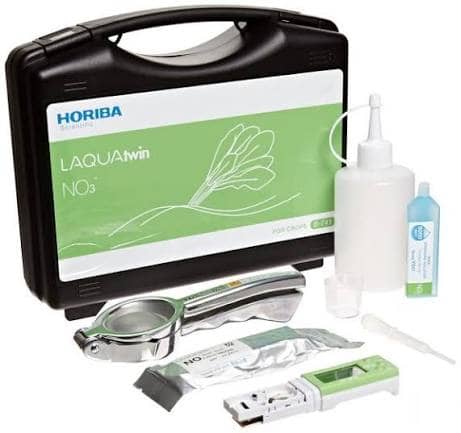
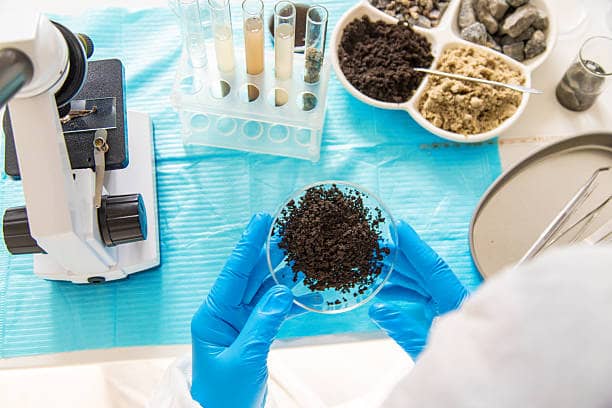
Laboratory soil panels generate prescription-ready nutrient maps.
The Jos•Hansen laboratory soil analysis programme processes geo-referenced composite samples through a 20-parameter analytical panel covering pH, electrical conductivity, organic carbon, total nitrogen, available phosphorus (Olsen and Bray methods), exchangeable potassium, calcium, magnesium, sodium, and micronutrient levels including zinc, boron, manganese, copper and iron. Results are returned within 10-14 days with a field-mapped nutrient status report and a crop-specific fertiliser prescription developed by Jos•Hansen agronomists for the target crop system and yield objective. The prescription specifies product, rate, timing and application method for each required nutrient across the full crop calendar, ready for direct translation into a variable-rate application programme.
Tissue analysis confirms uptake, not just supply.
A soil analysis report showing adequate nutrient levels does not guarantee that the crop is taking up those nutrients. Soil pH extremes, compaction, waterlogging and biological deficiency all block uptake from soils that appear chemically adequate. Leaf tissue analysis at the vegetative and early reproductive stages measures actual nutrient concentrations in plant tissue, revealing uptake failures that soil analysis cannot detect. Jos•Hansen tissue analysis services provide deficiency and toxicity interpretations against crop-specific critical threshold values for each tested parameter, with foliar or soil corrective recommendations included in the result report. Running soil and tissue analysis together each season builds a multi-year record of soil fertility trend and crop response that underpins data-driven long-term soil health investment decisions.
Technical specifications.
Field kit parameters
pH, available N (nitrate), available P, available K — results in 10-15 minutes
Laboratory panel
20-parameter: pH, EC, organic carbon, N, P, K, Ca, Mg, Na, S, Zn, B, Mn, Cu, Fe, soil texture
Tissue analysis panel
N, P, K, Ca, Mg, S, Zn, B, Mn, Cu, Fe, Cl in fresh or dried leaf tissue
Sampling support
Geo-referenced sampling protocols and field team training included
Turnaround
10-14 days laboratory, same-day field kit results
Report format
PDF interpretation report with agronomist recommendation note and fertiliser prescription
Soil chemistry parameters in the full laboratory analysis panel, covering macronutrients, secondary nutrients and the complete micronutrient suite for East African crop systems
Time required to obtain pH, available N, P and K readings from a field rapid test kit without laboratory submission, enabling real-time planting-day input decisions
Minimum dataset needed from annual soil analysis to identify soil fertility trend direction and calibrate long-term regenerative investment to measurable soil chemistry response
Why Soil.
Diagnose before prescribing
Soil and tissue analysis converts fertiliser and biostimulant decisions from guesswork into data-driven prescriptions, eliminating inputs that address deficiencies not actually present.
In-field and laboratory
Field rapid kits provide real-time decision data without laboratory wait times, while laboratory panels deliver prescription-grade precision for seasonal input planning.
Trend tracking
Annual soil analysis builds a multi-season dataset that reveals soil fertility trajectory, allowing proactive intervention before degradation becomes a visible yield ceiling.
Uptake verification
Tissue analysis confirms whether soil-applied nutrients are reaching the crop, separating soil supply failures from crop uptake failures to direct corrective action accurately.
Partner with Jos Hansen
Talk to our procurement and operations teams about your next infrastructure, healthcare or scientific deployment.